
Do You Need a License to Install Solar Panels? A State-by-State Breakdown

By Gabriel Giner, Editor · Published
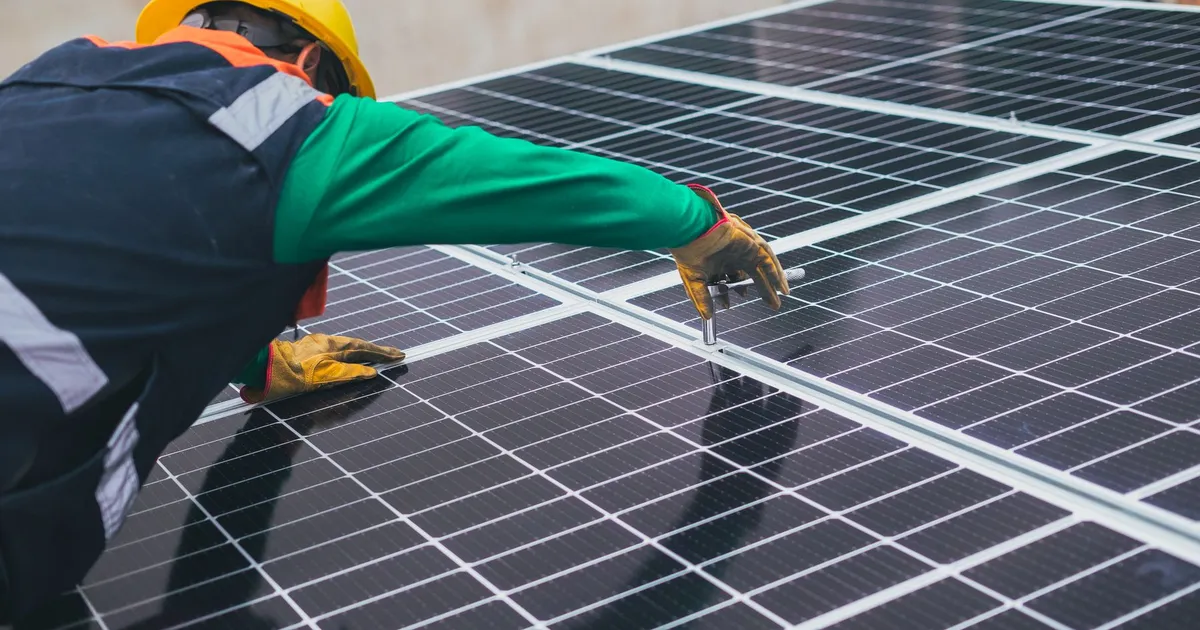
In most states, there is no solar installer license, but that does not mean solar installation is unregulated. In 29 of the 51 jurisdictions we cover, the state regulates photovoltaic work as electrical work, so the business needs an electrical contractor license and licensed electricians for the wiring. Another 17 have a credential named for solar, photovoltaic, or renewable-energy work. In many of those states, that credential stops short of the electrical connections. In the remaining 5, the main requirements are set by cities, counties, and utilities.
The classification below comes from the solar guide we maintain for each state. Each guide records the credential that applies to PV work and links to the official sources. Use the table to identify which licensing model a state uses, and then read the state guide for the specific requirements.
Three ways states regulate solar installation
- Solar-specific state credential (17). The state issues a classification, specialty, registration, or certificate named for solar, photovoltaic, or renewable-energy work. Examples include California's C-46, Hawaii's C-60, Utah's S202, and Florida's Solar Contractor.
- State electrical licensing (29). The state has no solar credential, but PV wiring falls under its electrical licensing law. The business needs an electrical contractor license, usually with a master electrician or similar qualifier, and the work is performed by licensed electricians.
- Mainly local rules (5). The state has neither a solar credential nor statewide electrical contractor licensing that covers typical PV work. Cities and counties set licensing, permits, and inspections, and utilities control interconnection.
State-by-state solar licensing models
| Jurisdiction | Model | Main state credential or route |
|---|---|---|
| Arizona | Solar-specific state credential | ROC license marked or supplemented for solar, such as C-11 with the solar qualification. |
| Arkansas | Solar-specific state credential | Solar Systems contractor specialty; PV electrical work still uses electrical licensing. |
| California | Solar-specific state credential | C-46 Solar classification; C-10 electrical contractors can also perform solar electrical work. |
| Connecticut | Solar-specific state credential | PV-1 contractor and PV-2 journeyperson; neither connects to an existing building panel. |
| Florida | Solar-specific state credential | Certified or registered Solar Contractor under CILB. |
| Hawaii | Solar-specific state credential | C-60 Solar Power Systems contractor. |
| Idaho | Solar-specific state credential | Solar PV category of the limited electrical installer and contractor licenses; NABCEP certification required. |
| Illinois | Solar-specific state credential | ICC Distributed Generation Installer certification; local electrical rules still apply. |
| Louisiana | Solar-specific state credential | Solar Energy Equipment classification, held with a qualifying base classification. |
| Mississippi | Solar-specific state credential | Solar and Wind Construction (commercial) and Residential Solar classifications. |
| Nevada | Solar-specific state credential | C-2g Photovoltaics subclassification, or the broader C-2 Electrical. |
| Oregon | Solar-specific state credential | CCB license plus an electrical credential, such as Limited Renewable Energy Contractor. |
| Rhode Island | Solar-specific state credential | Renewable Energy Professional certificate for non-electrical scope; electricians for wiring. |
| South Carolina | Solar-specific state credential | Residential Specialty Contractor registration for solar; electrical licensing checked separately. |
| Tennessee | Solar-specific state credential | S-Solar Panel Installation specialty; PV electrical work is in the CE classification. |
| Utah | Solar-specific state credential | S202 Solar Photovoltaic specialty; NEC wiring by an E200 or E201 contractor. |
| Virginia | Solar-specific state credential | Alternative Energy Systems specialty; electrical work requires ELE. |
| Alabama | State electrical licensing | AECB electrical-contractor route; HBLB license for larger residential solar jobs. |
| Alaska | State electrical licensing | Registered electrical contractor with an assigned electrical administrator. |
| Colorado | State electrical licensing | Registered electrical contractor, or a narrow statutory photovoltaic-installer path. |
| Delaware | State electrical licensing | Delaware electrician license that authorizes the work. |
| District of Columbia | State electrical licensing | Master licensed professional obtains permits; separate electrical permit for installation. |
| Georgia | State electrical licensing | Electrical Contractor Class I or Class II. |
| Iowa | State electrical licensing | Electrical contractor framework with a Master Class A or B electrician. |
| Kentucky | State electrical licensing | State electrical licensing for the electrical-system scope. |
| Maine | State electrical licensing | Licensed electrical professional for the electrical scope; local permits. |
| Maryland | State electrical licensing | State electrician licensing; MHIC license to mount residential panels. |
| Massachusetts | State electrical licensing | PV components, including racks and modules, are installed by licensed electricians. |
| Michigan | State electrical licensing | Electrical Contractor license associated with a Master Electrician. |
| Minnesota | State electrical licensing | Licensed electrical contractor; residential solar sellers also need a residential contractor license. |
| Montana | State electrical licensing | Licensed electrical contractor for grid-tied and all commercial solar wiring. |
| Nebraska | State electrical licensing | State Electrical Act license for the scope. |
| New Hampshire | State electrical licensing | Master electrician in charge of the electrical business. |
| New Jersey | State electrical licensing | Electrical Contractor license and electrical-contracting business permit. |
| New Mexico | State electrical licensing | Applicable CID electrical license, with GB-98 only in limited cases. |
| North Carolina | State electrical licensing | Electrical contractor license for PV installations of any value. |
| North Dakota | State electrical licensing | Master electrician or power-limited electrician contracting path. |
| Ohio | State electrical licensing | OCILB electrical contractor for nonresidential work; residential work is local. |
| Oklahoma | State electrical licensing | CIB electrical contractor scope. |
| South Dakota | State electrical licensing | Electrical Contractor license from the Electrical Commission. |
| Texas | State electrical licensing | Licensed electrical contractor; residential solar retailers register with TDLR. |
| Vermont | State electrical licensing | Electrical license beyond the module-and-racking exemption, with listed exceptions. |
| Washington | State electrical licensing | L&I electrical contractor with an administrator or master electrician. |
| West Virginia | State electrical licensing | State electrical license and certificate from the Fire Marshal. |
| Wisconsin | State electrical licensing | Electrical Contractor license; work by licensed or registered electricians. |
| Wyoming | State electrical licensing | Electrical Contractor with a full-time Master Electrician of Record. |
| Indiana | Mainly local rules | No state credential; local permits, inspections, and utility interconnection. |
| Kansas | Mainly local rules | No state credential; cities and counties may license electricians. |
| Missouri | Mainly local rules | Optional statewide electrical contractor license in place of local licensing. |
| New York | Mainly local rules | No state credential; local electrical licensing, such as a New York City master electrician. |
| Pennsylvania | Mainly local rules | No state credential; HIC registration for residential work and local electrical approval. |
Some jurisdictions could fit more than one category. We placed each state by its main statewide route for PV electrical work. Ohio, for example, licenses electrical contractors statewide only for nonresidential projects. Missouri's statewide electrical license is optional and can be used in place of local licensing. Arizona has no standalone solar license, but its contractor licenses can carry a solar qualification. Its guide explains the residential, commercial, and solar-thermal classifications.
A solar license often does not cover the wiring
In many states with a solar credential, the panels and the electrical connections are licensed separately:
- Utah's S202 covers PV modules and related components, but NEC-governed wiring and connections must be performed by, or subcontracted to, an E200 or E201 electrical contractor.
- Virginia's Alternative Energy Systems specialty expressly excludes electrical, plumbing, gas-fitting, and HVAC functions, which require their own specialties.
- Connecticut's PV-1 and PV-2 classifications do not allow connection to an existing building panel or similar equipment.
- Nevada's C-2g Photovoltaics subclassification does not authorize electrical wiring beyond the service panel.
- Rhode Island's Renewable Energy Professional certificate covers ancillary work such as support brackets and ballast. State law requires a licensed electrician for wiring, modules, inverters, and the panel connection.
- Louisiana requires an electrical-classification contractor for PV wiring and hookups on projects of $10,000 or more. Mississippi and Tennessee also send PV electrical work to their electrical classifications.
In these states, a solar company typically either holds an electrical license as well or subcontracts the wiring to a licensed electrical contractor. A solar credential alone is often not enough to complete a grid-tied installation.
In electrical-license states, the scope can be broad
Where PV work falls under electrical law, some states define it broadly. Massachusetts' Electricians Board treats installation of all PV components, including frames, racks, rails, and modules, as electrical work for licensed electricians. New Jersey's electrical board has said that panels, inverters, and other components capable of carrying more than 10 volts must be handled by licensed or permitted electrical contractors. North Carolina requires an electrical contractor license for PV installations of any value and sets the license level by project value. Other states draw the line differently: Vermont exempts module and racking installation on complex structures up to the connection with field-fabricated wiring. Montana allows a non-electrician installer to obtain an alternate-energy permit but requires a licensed electrical contractor for grid-tied wiring.
Other credentials can apply to the sale and the roof work
Electrical licensing is often only one of the requirements. Several states also regulate the business that contracts with the homeowner:
- Minnesota: since 2023, a company that contracts directly with a homeowner for residential PV must hold a Residential Building Contractor or Residential Remodeler license, in addition to using a licensed electrical contractor.
- Maryland: MHIC says residential panels must be mounted by an MHIC-licensed home-improvement contractor. Electrical work requires state electrician licensing.
- Pennsylvania: residential solar is a listed home improvement, so contractors generally need Home Improvement Contractor registration. That registration is not an electrical credential.
- Texas: since September 1, 2026, businesses that sell or lease residential solar systems must register with TDLR as Residential Solar Retailers, and their salespeople must register as Solar Salespersons. The contract must state that a licensed electrical contractor will perform the installation.
- Illinois: an entity that installs distributed generation must hold an Illinois Commerce Commission certification. That certification does not replace local electrical, building, or permit requirements.
Roof penetrations, structural changes, and solar-thermal plumbing can also require roofing, general-contractor, or plumbing credentials. The state guides list these requirements where a source addresses them.
NABCEP certification is not a license, with exceptions
NABCEP certification is a private industry credential, and in most states it does not authorize anyone to contract for or perform solar work. A few states incorporate it into licensing. Idaho's limited solar PV installer route requires NABCEP photovoltaic installer certification together with documented experience and an exam. Colorado's narrow photovoltaic-installer path includes NABCEP-related employment conditions, and Fort Collins requires NABCEP certification for its local solar license. Elsewhere, NABCEP certification may be useful for training, financing, or incentive programs, but it does not replace a license.
What to confirm before you sell or install
- Find the state's model in the table above, and open the state's solar guide.
- Identify who does the wiring. Determine which electrical contractor license covers the PV work, who the master or qualifying electrician is, and whether apprentices or helpers may install racks and modules.
- Check the contracting entity. Determine whether the company that signs with the homeowner needs a home-improvement, residential, general, or solar-specific credential of its own.
- Check local requirements. Building and electrical permits, inspections, and any city or county license apply in addition to state rules, and they are the main requirements in local-control states.
- Plan the interconnection. Utility approval is separate from licensing and can control when a system may be energized.
About this classification
The three categories are our editorial summary of each state's solar guide, not an official classification. State rules can apply differently to residential, commercial, utility-scale, and solar-thermal work, and boards revise their positions. Each state guide records its source-check date and links to the statutes, rules, and board guidance it relies on. Use the guide and the board's current materials for licensing decisions.