Concrete vs. Masonry License: Which Classification Covers Your Work?

By Gabriel Giner, Editor · Updated 2026-09-08
Originally published
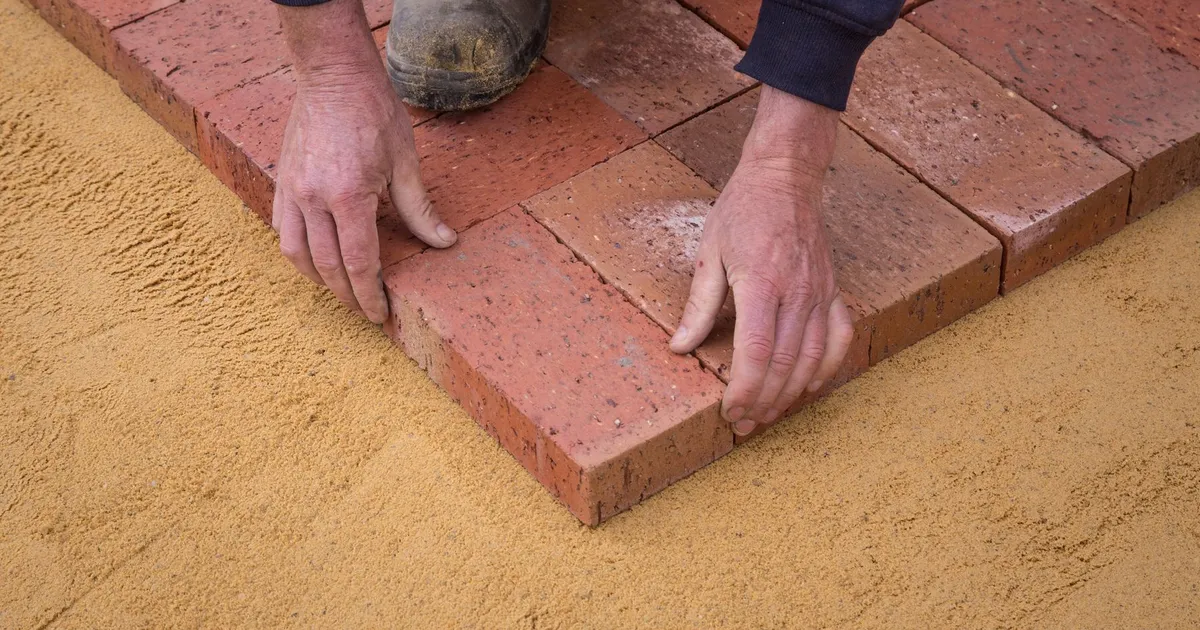
Start with the construction method and the work you are selling—not just the word “concrete.” Pouring and finishing a slab is different from laying concrete masonry units. A concrete block is made of concrete, but installing a block wall can fall within a masonry classification.
California and Nevada illustrate the distinction particularly clearly. Both define separate concrete and masonry specialties, but their classification numbers and scope wording differ. This guide compares those definitions and provides a method for checking mixed projects. Sources checked September 8, 2026; the examples are not binding classification decisions for an individual job.
Poured material versus assembled units is a useful starting point
As an initial sorting method, put forming, placing, and finishing cast concrete in one column; put assembling brick, block, and stone units in another. Then compare the work against the actual state definitions below. The sorting method is not an exemption and does not resolve every paving, landscape, structural, or specialty application.
| Proposed work | Classification to investigate first | Question that could change the answer |
|---|---|---|
| Pouring a new driveway or slab | Concrete | Does the contract also include grading, drainage, utility, or structural work outside that scope? |
| Laying a concrete-block wall | Masonry | How are its footing, reinforcement, and drainage addressed? |
| Installing brick or stone facing | Masonry | Is it masonry veneer, tile, or a different manufactured cladding system? |
| Installing individual pavers | Masonry or another expressly applicable classification | What materials and installation system are used, and does a landscape scope apply? |
| Concrete cutting or core drilling | Concrete or the state's relevant specialty | Does the state's wording expressly include it? |
| Patio with a slab, block wall, lighting, and a wood cover | Multiple scopes or an applicable general classification | Who contracts for and performs each component? |
These are questions to investigate, not six universal licensing answers. A name on a truck such as “Concrete & Masonry” does not establish either classification.
California: C-8 concrete and C-29 masonry
C-8 focuses on concrete placement and finishing
California's C-8 definition covers forming, pouring, placing, finishing, and installing specified concrete work, including pavement and flatwork. It excludes businesses whose sole contracting work is plaster coatings or the placement and erection of reinforcing steel or bars. A company selling reinforcement-only services should therefore not assume that C-8 is the right classification. Source: CSLB C-8 classification.
C-29 expressly includes concrete units
California's masonry definition includes concrete units, brick, block, stone, and specified refractory materials. It covers masonry walls, certain veneers, and paving, including unit construction with or without mortar. Ceramic veneer is distinguished from tile. That wording is why the material name alone cannot settle a block-wall or paver question. Source: CSLB C-29 classification.
Practical examples to discuss with CSLB are a cast-in-place driveway, a concrete-block fence, and a brick-paver patio. They may all appear in one customer's “hardscape” request while relying on different parts of the classification rules.
Having a concrete license does not authorize every patio component
CSLB's building-official guide specifically says C-8 does not authorize a lattice patio cover; its permitted woodwork is concrete formwork. The same guide explains that a general building contractor's single-specialty prime contract and single-specialty subcontract are treated differently. Do not assume that a general license or subcontracting plan automatically solves every scope mismatch. Source: CSLB building-official guidance, C-8 and B classifications.
Nevada: C-5 concrete and C-18 masonry
Nevada's C-5 concrete scope expressly includes surface preparation, integral reinforcing and embedded materials, concrete placement and finishing, forms, sealants and waterproofing products, and sawing, cutting, drilling, and coring concrete or asphaltic paving. C-18 masonry addresses laying brick, stone, precast blocks, and structural glass units, with or without mortar, and excludes applying tile to existing surfaces. Sources: NAC 624.230 (C-5) and NAC 624.350 (C-18).
The numbering is not portable: California's C-8 is not Nevada's C-8. Always pair a classification number with its jurisdiction and title when requesting a quote, choosing an exam, or checking a subcontractor.
Nevada also limits contractors by the monetary limit on the license. A correct trade classification does not, by itself, establish that the proposed contract is within that limit. Check the live license record and ask the board how a combined project is treated. Source: Nevada license and monetary-limit requirements.
Mixed projects: write the scope before deciding who can take it
Consider a customer's request for a retaining wall and patio. Break it into tasks: excavation, footing, wall assembly, reinforcement, drainage, slab or pavers, steps, lighting, and any railing. Identify the material and installation method for each task, then identify who will contract for it and who will perform it.
That breakdown matters more than calling the project a “small masonry job.” A retaining wall may require structural design or permits, and the licensing analysis must address the actual work. Ask the building department about design and permit requirements separately from asking the contractor regulator about trade scope.
Do not invent a percentage rule for incidental work
Where a jurisdiction allows work incidental to a specialty, verify the exact rule and its application. California's regulatory definition connects incidental and supplemental work to what is essential to accomplish the licensed specialty. It is not a blanket permission to add unrelated services because they are a small share of the price. Source: official California Code of Regulations, title 16, §831.
For a concrete footing supporting a masonry wall, ask about the relationship between the components. For a separate freestanding wood cover sold alongside a slab, ask about the separate carpentry scope. Do not assume the answer to the first question settles the second.
How to request a useful classification determination
Send the regulator a concise scope summary and, where appropriate, plans or a sketch. Use this template:
- Location and use: state, city or county, residential or commercial, new work or repair.
- Contracting role: direct contract with the owner or subcontract to another contractor.
- Existing credentials: entity name, license number, classifications, and any monetary limit.
- Materials and methods: cast-in-place concrete, concrete units, brick, stone, veneer, pavers, or another system.
- Separate tasks: excavation, reinforcement, drainage, waterproofing, electrical work, and structures.
- Performance plan: what your employees will do and what another licensed business will do.
- The question: whether the current classification covers the entire contract and each self-performed component, or whether another classification is needed.
Ask which office can provide a written response and what authority it has. Retain the response with the scope it evaluated. If the customer later adds a wall, lighting, or a cover, reconsider the classification rather than treating an earlier answer as unlimited approval.
Choosing an additional classification
If both concrete and masonry are recurring parts of your business, compare the formal additional-classification process with repeatedly limiting or subcontracting parts of the work. California provides an application specifically for adding a classification; it is not accomplished by changing your advertising. Source: CSLB additional-classification application.
Review your experience file before purchasing exam materials. Records of concrete finishing and records of laying masonry units should describe the actual duties separately. Our experience-documentation guide explains how to organize those claims without assuming that time in one trade automatically qualifies you for another.
The bottom line
A poured slab, a concrete-block wall, and a brick-paver patio can call for different licensing analysis. Read the jurisdiction's definitions, break mixed projects into tasks, verify the business's actual record, and get uncertain scope questions answered before bidding. The right classification is the one that covers the work you are actually offering—not the one whose name sounds closest.